 Jul 24,2026
You're managing an EV fleet, operating a charging network, or simply looking for a flexible charging solution that doesn't require permanent installation. The challenge is the same: how do you deliver reliable charging without the cost and complexity of fixed infrastructure?
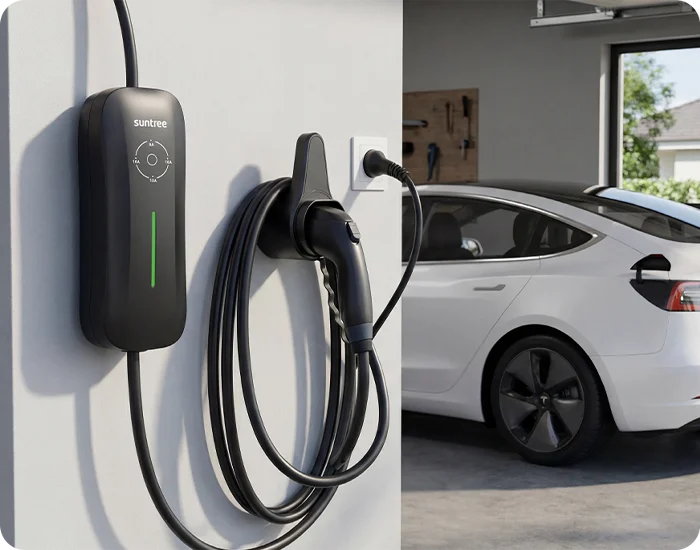
A Portable ev charger is the answer—compact, lightweight, and ready to use out of the box. Portable EV charging solutions range from compact 3.5kW units to high-power 22kW models, supporting all major AC charging standards (Type 1, Type 2, GB/T) with adjustable current and multiple regional plug options.
This guide covers what makes a portable EV charger a practical investment for businesses—from power range and safety features to real-world applications and procurement considerations.
Power and Compatibility — One Charger, Many Vehicles
A portable EV charger is only useful if it works with the vehicles your customers or fleet actually drive. The best portable chargers are designed for universal compatibility.
Power Range from 3.5kW to 22kW
The SPG3 model delivers 3.5kW (16A, single-phase) for lighter charging needs—ideal for home emergency charging or overnight top-ups. The SPJ2 and SPJ3E models offer 7kW to 22kW, providing faster charging for road trips, fleet mobile top-ups, and commercial applications. The adjustable charging rate allows you to match output to grid capacity and vehicle requirements.
Multi-Standard Compatibility
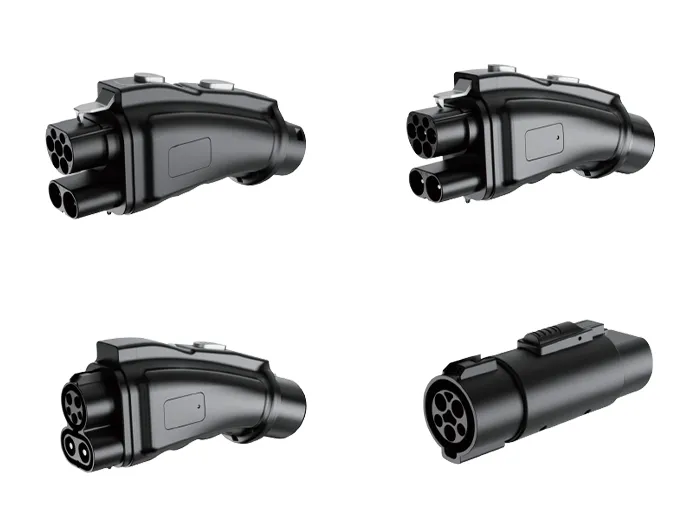
The charger supports CCS Type 1, CHAdeMO, CCS Type 2, and GB/T connectors. Regional plug versions are available for EU, US, UK, and GBT markets, ensuring compatibility with virtually all EV models worldwide. This multi-standard support means a single product line serves multiple markets, simplifying inventory management for distributors and fleet operators.
Plug & Play Simplicity
No installation is required. The charger is ready to use out of the box—just plug it into a standard outlet and connect to the vehicle. This eliminates the cost and complexity of fixed infrastructure, making it ideal for temporary sites, emergency scenarios, and locations where permanent installation isn't feasible. The compact, carry-on design (as light as 1.6kg) fits easily in a car trunk.
Built for the Outdoors — Safety and Durability
A portable charger is often used outdoors—on road trips, at campsites, or in emergency scenarios. It needs to withstand the elements.
IP67 and IK08 Protection
The charger features up to IP67 dust and water protection, ensuring reliable operation in rain, snow, and harsh outdoor conditions. This means the unit is completely dust-tight and protected against immersion in water up to 1 meter. The IK08 impact resistance rating protects against mechanical damage from drops or impacts.
Comprehensive Safety Protection
Built-in protections include RCD leakage protection, overvoltage/undervoltage, overcurrent, overheating, short circuit, and ground protection, with automatic stop when fully charged. These features protect both the vehicle and the user, reducing liability for commercial operators.
Seamless Connectivity
The charger supports 4G, WiFi, and Ethernet with intelligent auto-switching to ensure uninterrupted operation and real-time communication. For fleet operators and charging network managers, this connectivity enables remote monitoring, diagnostics, and configuration via an intuitive web platform.
Smart Features That Maximize Value
Intelligence is what separates a basic portable charger from a business asset.
OCPP 1.6 Compliance
The portable EV charger supports OCPP 1.6 protocol, enabling integration with charging network management platforms for billing, monitoring, and load management. This is essential for commercial operators who need to monetize charging sessions and manage multiple units remotely.
Dynamic Load Balancing and Smart Power Sharing
The charger dynamically allocates power across multiple connectors, maximizing utilization and accelerating return on investment. Dynamic load balancing optimizes energy distribution during peak demand, ensuring stable performance while maximizing charging capacity. For multi-charger installations, these features prevent electrical overloads and reduce infrastructure costs.
Advanced Remote Management
Operators can enable OTA updates, real-time monitoring, remote diagnostics, and configuration via an intuitive web platform. This reduces maintenance costs and minimizes downtime, particularly important for fleet operators with vehicles dispersed across multiple locations.
| Feature | Specification | Benefit |
|---|---|---|
| Power Range | 3.5kW – 22kW | Flexible output for different use cases |
| Connector Standards | Type 1, Type 2, GB/T, CHAdeMO | Universal compatibility |
| Protection Rating | IP67 / IK08 | Reliable outdoor operation |
| Connectivity | 4G, WiFi, Ethernet + OCPP 1.6 | Remote monitoring and management |
| Safety | RCD, overcurrent, overvoltage, overheating | Protects vehicle and user |
| Weight | As low as 1.6kg | Ultra-portable, easy to store |
Questions EV Fleet and Charging Operators Ask
What's the difference between a portable EV charger and a fixed wallbox?
A portable charger requires no installation—you plug it into a standard outlet and charge. A fixed wallbox is mounted permanently and typically offers higher power output. Portable chargers are ideal for road trips, temporary sites, fleet mobile top-ups, and emergency scenarios where fixed infrastructure isn't available. The trade-off is that portable units are limited to AC charging (3.5-22kW) and can't match the speed of high-power DC fixed chargers.
How long does it take to charge a typical EV with a portable charger?
Charging time depends on the vehicle's battery size and the charger's power output. A 3.5kW unit adds roughly 15-20 miles of range per hour; a 22kW unit adds 60-80 miles per hour. For most road trip and emergency scenarios, the 22kW model provides a meaningful charge within 1-2 hours. The adjustable current allows you to match the charge rate to available grid capacity.
Can a portable EV charger be used for commercial applications?
Yes. For commercial operators, features like OCPP 1.6 compliance, remote management, and dynamic load balancing make portable chargers a scalable solution for workplace charging, gas station integration, and fleet mobile top-ups. The plug-and-play design means you can deploy charging capacity without the lead time and cost of electrical installation.
Let's Discuss Your Portable Charging Needs
A portable EV charger is a flexible, cost-effective solution for businesses that need charging capability without permanent infrastructure. Whether you're equipping a fleet, adding charging to a commercial site, or distributing portable chargers to customers, the right product makes the difference between a reliable operation and a recurring headache.
Suntree delivers advanced portable EV charging solutions engineered for portability, speed, and reliability. The product range includes the SPG3 (3.5kW/7kW), SPJ2 (11kW/22kW), and SPJ3E (3.5kW/7kW) models, with adjustable charging rates, multi-standard connector support, and OCPP 1.6 compliance. All units are built with IP67 protection, comprehensive safety features, and seamless connectivity for remote monitoring and management.
Contact Suntree's team to discuss your portable charging requirements—they can provide product specifications, customization options, and deployment guidance for your specific application.